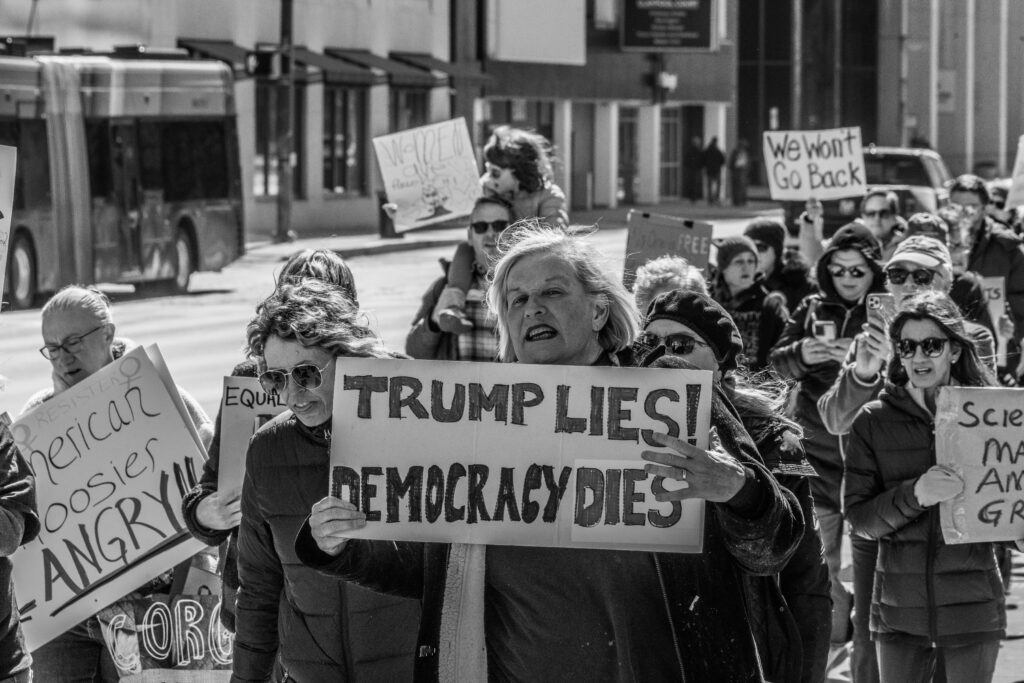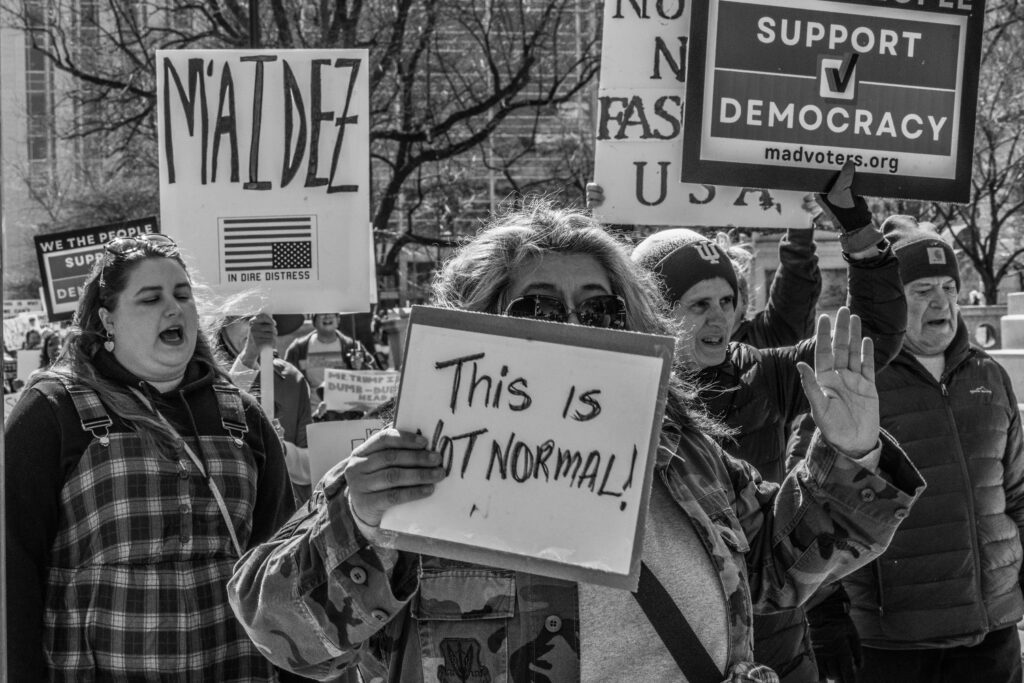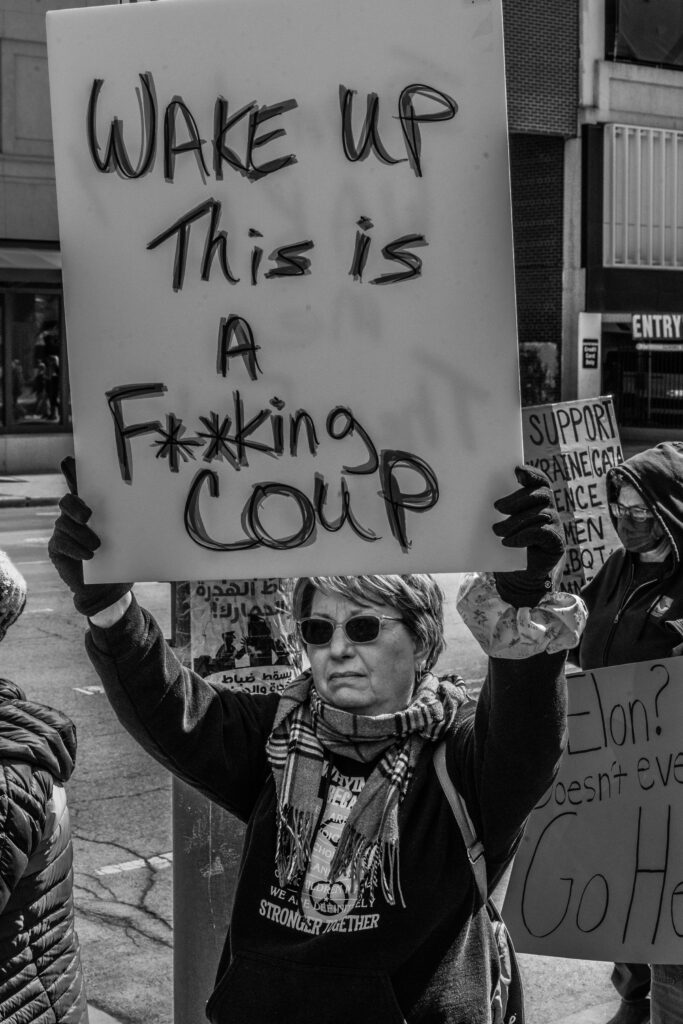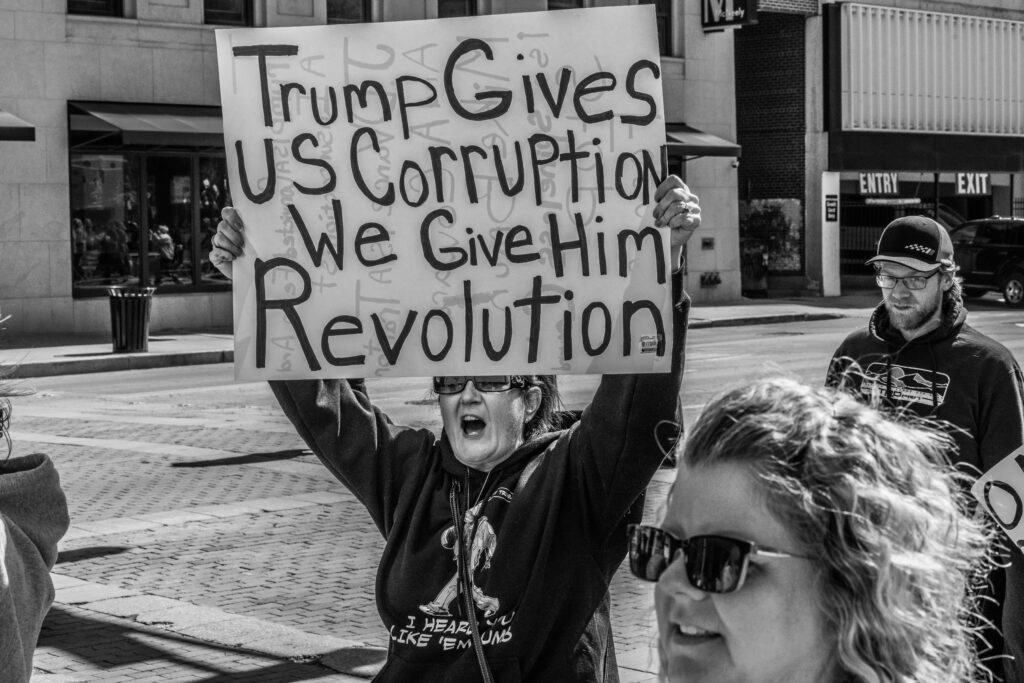
Welcome back to another fabulous edition of my blog, where I share my semi-unfiltered thoughts on the influence of the ultra-wealthy in online conversation spaces. Why semi-unfiltered, you ask? Well, it’s for a class assignment, and I have to keep it a bit tame and not give too much attitude this time.
First, let me start with the benefits of these so-called “public squares,” of which there are quite a few. My personal favorite is connection. These “public squares” connect us all around the world and give a voice to the voiceless. They provide a space for marginalized communities to gather and for like-minded people to share ideas and solutions to community issues. Information can spread rapidly through social platforms, allowing users to find answers to their questions in the blink of an eye. Social platforms have led to social change and activism for charitable causes.
Where there is light, there is darkness. Yes, there are flaws! The design of these social spaces is wired in a way to keep us glued to our screens and to keep those thumbs of yours twiddling down the screen like a boxer on a speed bag. They want you to be addicted to their platforms so the owners of these spaces can profit from your lack of productivity. Let’s face it—it’s like the Wild West out here, a dangerous place causing depression, anxiety, social isolation, and unrealistic beauty standards. Many users have shared their struggles with comparing their lives to others—the all-too-familiar thief of joy—along with worries about privacy. My personal favorite negative aspect of these “public squares” is the speed at which misinformation, disinformation, and propaganda can spread within our communities, whether politically or through harassment and cyberbullying.
Here is where my opinions become more critical. The question has been raised about whether we should rely on the goodwill of the owners of these “public squares” to moderate content, or if we should depend on the government to intervene in some way. In my opinion, we cannot trust these owners to act in good faith. Their flip-flopping on content moderation rules mirrors LeBron James’ famous flops during the NBA finals.
We’ve seen Meta alter its approach recently, particularly in January when they replaced fact-checkers, reminiscent of Musk’s actions with X (formerly known as Twitter), where he introduced community notes and downsized the fact-checking department. Let’s be realistic, these spaces are commercial gold mines with no intention of fostering free political expression or creativity. These ultra-wealthy owners may claim to be creating a public space, but their true goal is to exploit users for commercial gain. As Astra Taylor writes in a 2021 Yale Law Journal article, “They are commercial enterprises designed to maximize revenue, not defend political expression, preserve our collective heritage, or facilitate creativity, and the people who work there are private employees, not public servants.”
Zuckerberg’s shift in attitude is evident, especially when we compare his apologetic demeanor during 2016 and 2018 congressional hearings. He faced tough questions about Russian election interference and privacy issues, particularly regarding his failure to prevent Cambridge Analytica—a firm linked to Trump’s presidential campaign—from harvesting data from 87 million users to influence elections. In 2021, Meta banned Trump for his actions on January 6th.
However, after Trump took office in January, Zuckerberg’s tone changed once again. He sought to gain favor with Trump to avoid regulatory scrutiny from the new administration by aligning himself with potential regulatory measures aimed at addressing the censorship of conservative voices connected to misinformation and propaganda. The constant back-and-forth shows a lack of true convictions, as if the sole focus is on profits and pandering to whichever new administration comes into power.
Here is where I am torn. I wholeheartedly believe in freedom of speech and the press, which makes this a complex topic to discuss. So, my question is, would it be better to do nothing and instead focus on educating people about media literacy as the real solution?
Embracing the principles of freedom of speech requires a full commitment; it’s an all-or-nothing stance. An article from The Yale Law Journal reminds us that discourse beats censorship any day. Differing opinions should ignite conversation and facilitate education, rather than leading to suppression. I believe it’s our responsibility to make informed choices, but with technology advancing at an exponential rate, many users are unprepared to navigate a media landscape filled with misinformation. The challenge is largely due to the lack of media literacy as a fundamental subject in our educational systems, which leaves the public vulnerable to manipulation by politicians and other harmful entities.
As users and consumers of media, we have the option to move to decentralized platforms. The Yale Law Journal notes that “The rights of free expression and association include the right not to speak and the right not to associate.” The statement implies that if you have a right to speak, it also applies to express yourself through silence. Users can choose not to participate in centralized platforms; that’s completely fine—no one is forcing you. For example, I have decided not to use “X” because I find it filled with bots and useless garbage since Musk took over ownership.
The question that troubles me the most is: “Ultimately, who owns what we say to each other?” I find this question concerning because I want to believe that I own my conversations on social media platforms. However, the ownership of these conversations is often dictated by the terms and conditions that many of us agree to without reading when we sign up for an account on one of these social platforms.
Currently, approximately 57% of the world’s population uses some form of social media, spending an average of 2.5 hours a day on these platforms. That amounts to a significant amount of data that we, as a global community, provide to social media companies, which they then monetize. This situation is particularly frustrating for me. These companies can profit from our data while giving us little in return.
I have begun to lock down most of my social media accounts and remove context collapse from some of them. I set up a couple of Instagram accounts: one will showcase my photography and serve as a business account, while the other will be private with no hashtags. The private account will focus on curating a project of daily photographs.